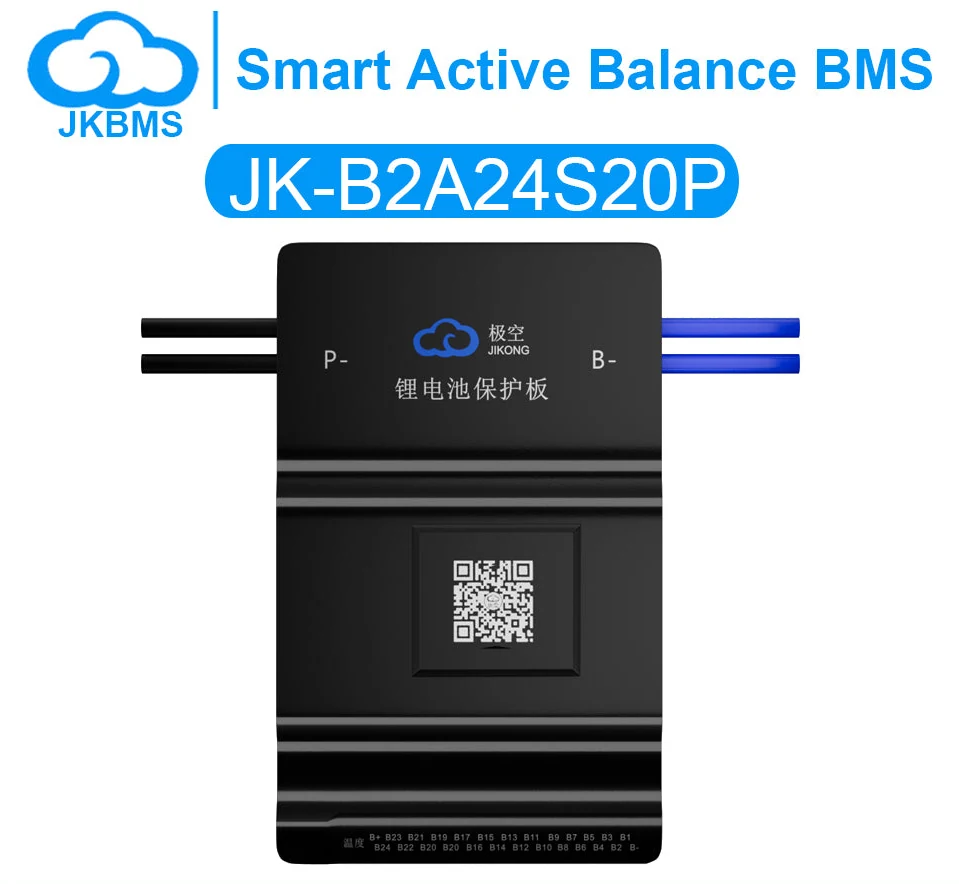
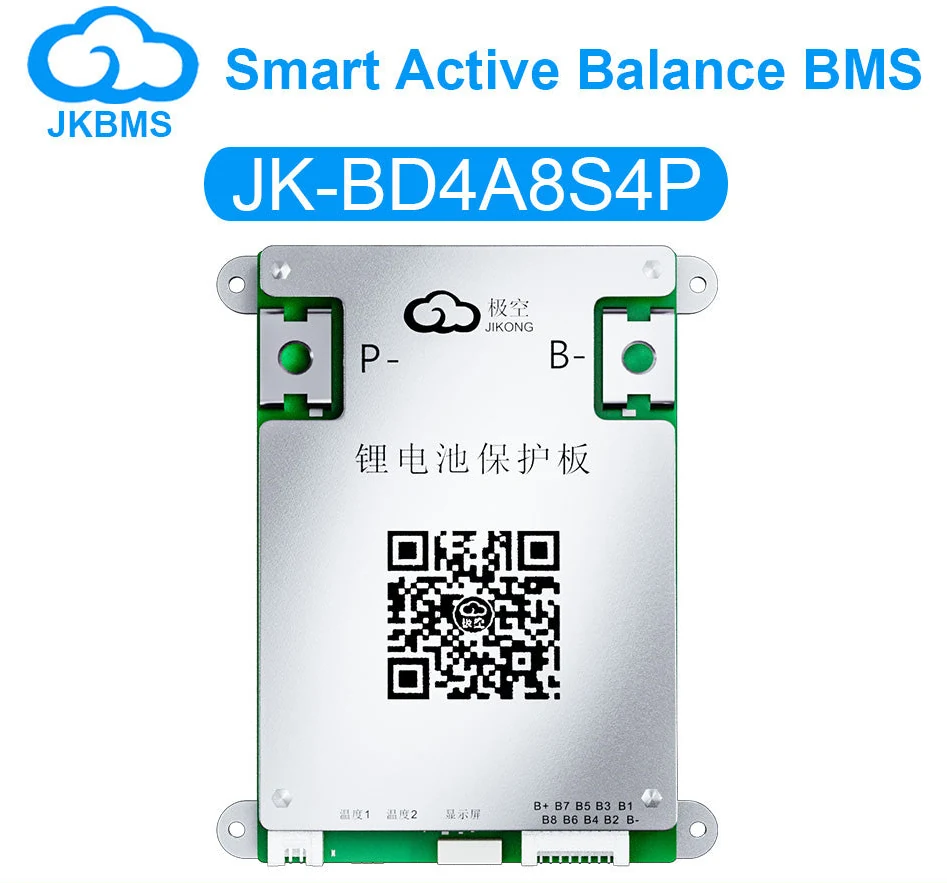
Series count is a hard limit, not a preference
Technical review pending — checked against public standards on
- sizing
- safety
A board built for 16 series cells will fail on a 24 series pack. Understanding why turns a confusing spec into an obvious one.
Series count is the number of cells connected end to end. It sets pack voltage, and it sets a ceiling on what a BMS can safely control. Getting this wrong is the most expensive mistake in the category, because the failure mode is a short, not a warning.
Why the ceiling exists
Three separate constraints all point at the same number:
- Sense channels — the board needs one voltage tap per series cell. Fewer channels than cells means cells are unmonitored, and an unmonitored cell is the one that goes out of balance.
- FET voltage rating — the switching devices see the full pack voltage plus switching transients. Exceeding the rating breaks them down, and a broken-down FET is a conductor.
- Isolation and creepage — the physical spacing inside the board is designed for a maximum voltage. More series cells means more volts across gaps that were sized for fewer.
Series count and chemistry are two different questions
The same series count gives different pack voltages depending on chemistry, because nominal cell voltage differs. A 16 series pack is about 51 V with LiFePO4 and about 59 V with NMC. If you are replacing one chemistry with another at the same series count, your charger, inverter and BMS voltage thresholds all have to change.
| Chemistry | Nominal / cell | Full / cell | Empty / cell | 16S pack nominal | 16S pack full |
|---|---|---|---|---|---|
| LiFePO4 | 3.2 V | 3.65 V | 2.50 V | 51.2 V | 58.4 V |
| Li-ion NMC | 3.7 V | 4.20 V | 3.00 V | 59.2 V | 67.2 V |
| LTO | 2.3 V | 2.80 V | 1.50 V | 36.8 V | 44.8 V |
This is also why a board that supports a range of series counts must be configured, not just wired. The voltage thresholds per cell are the same; the pack-level thresholds are not. Setting a LiFePO4 profile on an NMC pack overcharges every cell by about 0.55 V.
What "supports 8 to 24 series" actually means
A range in a specification means the board can be configured for any count inside it, usually by wiring the sense leads in a defined pattern and telling the board how many cells are present. It does not mean the board performs identically across the range — the current rating is typically set by the weakest point, and the balancing current is shared across however many cells are active.
Two practical consequences:
- On a pack at the bottom of the range, the same balancing current is spread over fewer cells, so balancing is faster per cell.
- On a pack at the top of the range, the sense wiring pattern matters more — a mis-sequenced lead reads a plausible but wrong voltage, and the board will happily balance against it.
The one question to ask before buying
Not "how many series does it support" but "what is the maximum series count at my pack voltage, with my chemistry, at my ambient temperature". Those four together are the real limit. A range on its own tells you the ceiling but not the conditions.