Reading a BMS model number
Technical review pending — checked against public standards on
- selection
- naming
Model strings encode series count, current class and balancer size. But the same digits mean different things in different series, so the string is a hint, not a spec.
Model numbers in this category are dense with information, which makes them tempting to read as specifications. They are not. They are a naming convention, and conventions drift between product families.
The general structure
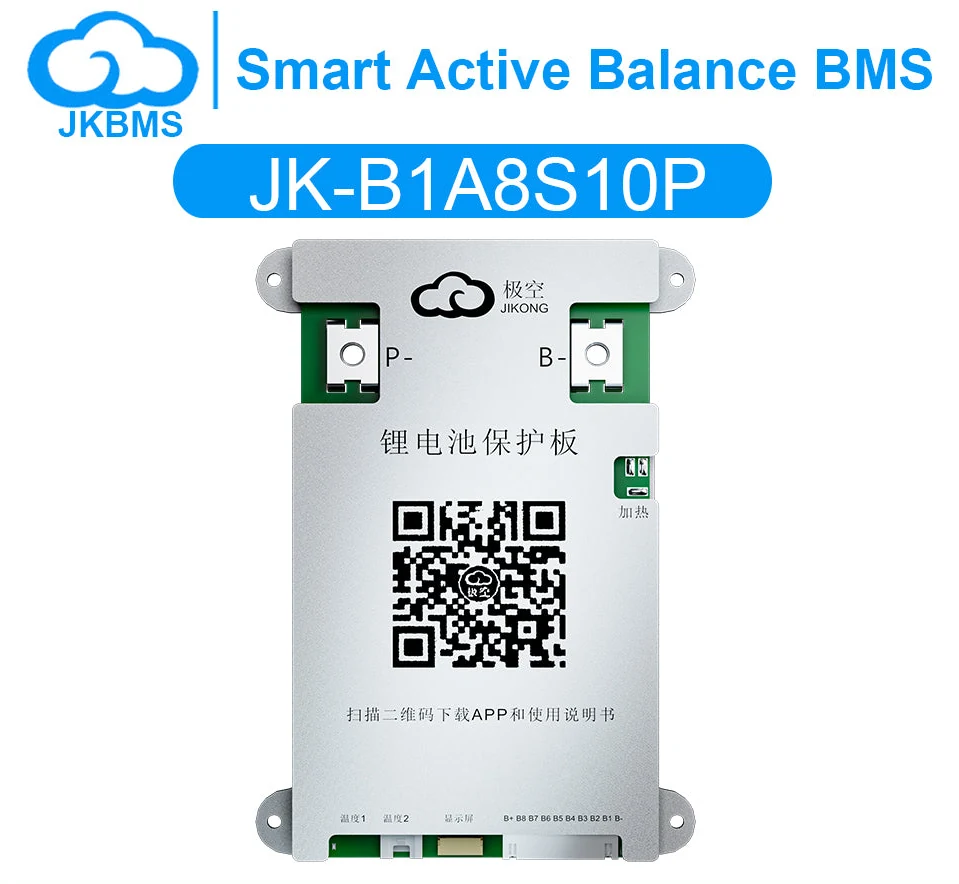
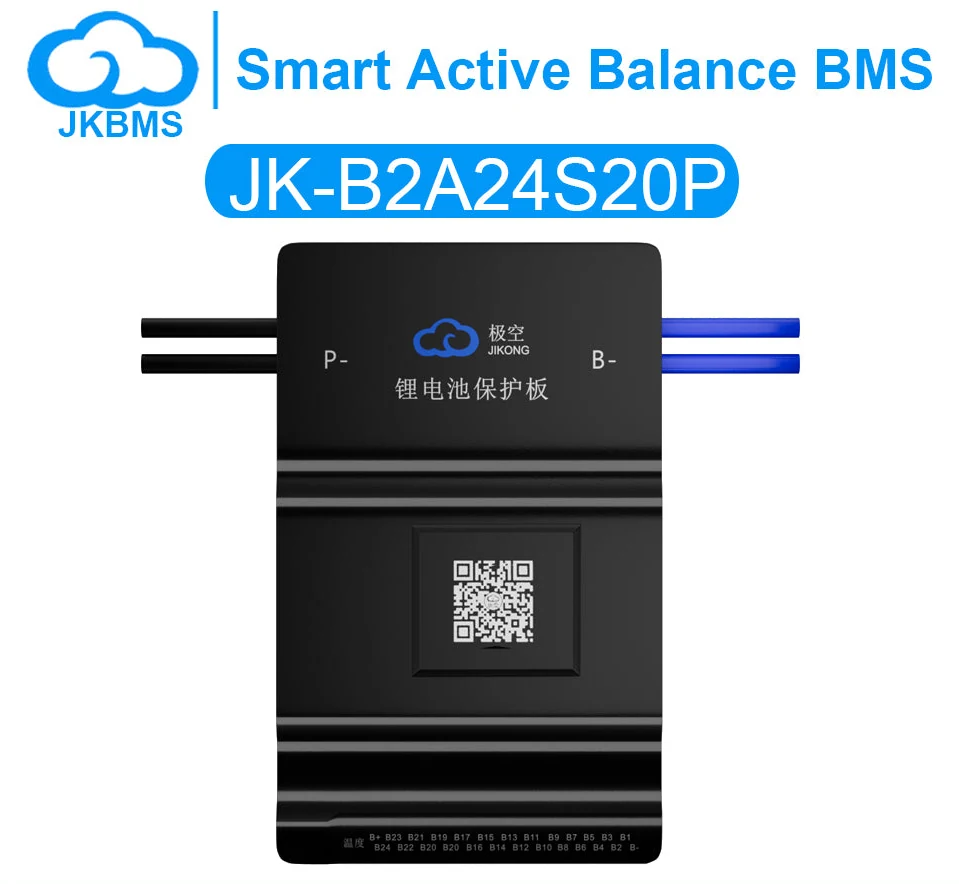
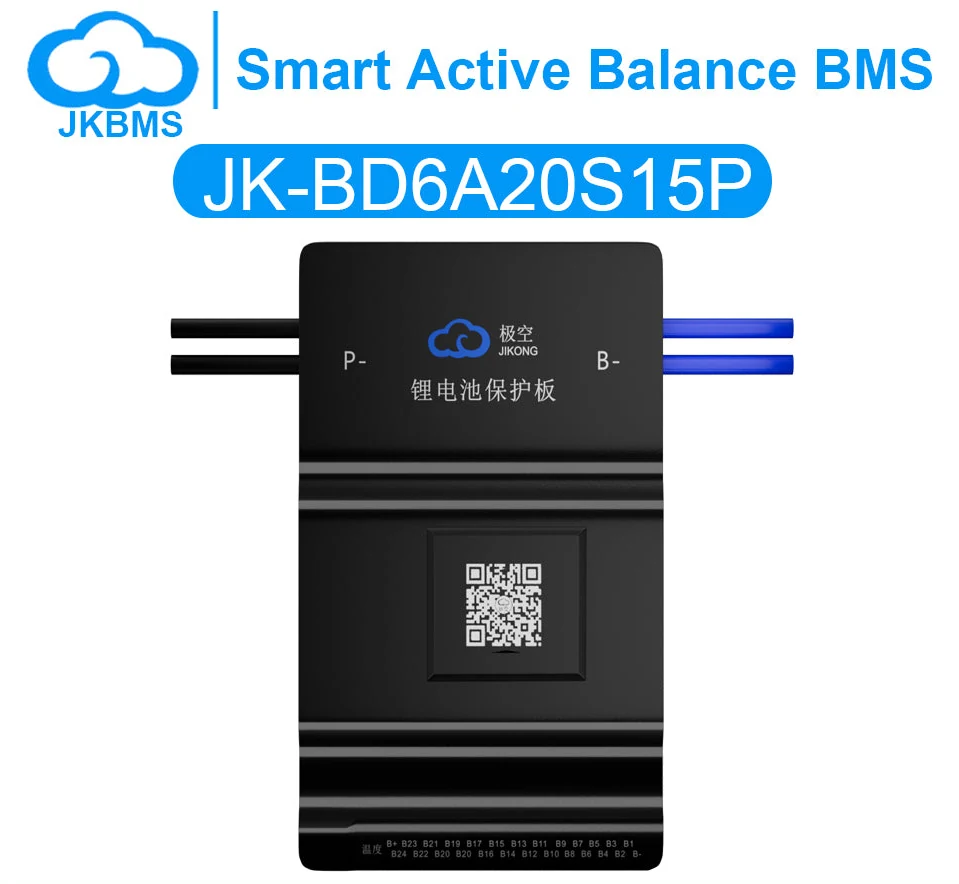
Most strings in this family follow the same shape: a family prefix, a balancer current, a series count, a current class, and an optional variant suffix.
| Segment | Meaning | Example |
|---|---|---|
| Prefix | Product family | B2A, BD, PB, DZ |
| Balancer figure | Balancing current, in a family-specific unit | 2A, 1A, 4A |
| Series figure | Maximum series count the board is built for | 8S, 16S, 24S |
| Current class | Discharge current class, in tens of amps | 20, 15, 30 |
| Suffix | Variant: relay, separate port, revision | RP, P, V19 |
Where the convention breaks down
The balancer figure is the dangerous part. In some families the digit before the A is the balancing current in amps. In others it is a family code that happens to sit in the same position, and the actual balancing current is an order of magnitude lower. A reader who assumes one meaning across all families will be wrong by a factor of ten on a safety-adjacent number.
What a series figure does and does not tell you
A series figure in the model string is a maximum. It does not tell you the minimum, whether the board auto-detects the count, or how the sense harness must be wired for a lower count. A board labelled for a high series count may support a wide range below it, or only a narrow band — the string cannot distinguish those cases.
It also does not tell you which chemistries are supported. Series count is chemistry-independent; the voltage thresholds you configure are not. A board rated for a series count works across chemistries only if you set the right per-cell thresholds.
Suffixes carry real differences
- A relay suffix generally means the switching element is a mechanical relay rather than MOSFETs — different failure mode, different acoustic noise, different inrush behaviour
- A separate-port suffix means charge and discharge have independent terminals, which changes the wiring
- A revision suffix means the board layout changed, and settings that worked on the previous revision may not transfer
None of these are cosmetic. Two strings that differ by one suffix can be different products with different wiring requirements.
The rule
Use the model string to find the product. Use the specification table to decide whether it fits. When the two disagree, the table wins — and if there is no table, there is no specification.